Moorpark homes
Hard water, tile and grout in Moorpark
Moorpark’s tap water is hard on the U.S. Geological Survey scale, a blend of imported water and harder well water, which is why white film builds on shower tile and grout dulls here. Tile and grout cleaning costs $0.50–$3 per square foot at national rates, with a $100–$200 minimum.
In Moorpark: tile and grout cleaning from about $0.50 per square foot, with a minimum, priced before any work. Services fulfilled by our affiliated service partner, Maid VIP. Downtown and High Street, Mountain Meadows, Peach Hill and Carlsberg, Moorpark Highlands, Campus Park, Northwest Moorpark. Call (805) 552-5198
How hard is Moorpark’s water?
Moorpark’s tap water is hard. One supplier, Ventura County Waterworks District No. 1, serves over 36,000 people in Moorpark and the unincorporated areas to its north and west, through about 11,012 connections, and delivers about 83% imported State Water Project water and 17% from its own Las Posas Basin wells, in 2024. The imported water is treated at the Metropolitan Water District of Southern California’s Jensen plant in Granada Hills and delivered by the Calleguas Municipal Water District; it measured 8.5 grains per gallon on average, 8.1 to 9.1 (about 146 mg/L, 139 to 156), in 2023, which the U.S. Geological Survey calls hard (121 to 180 milligrams per liter). The well water measured 14 grains per gallon on average, 13 to 16 (about 240 mg/L, 223 to 274), in 2023, which the USGS calls very hard (above 180 milligrams per liter). Mixed in the proportions the District reports, the blend falls in the hard range.

What hard water does to tile and grout
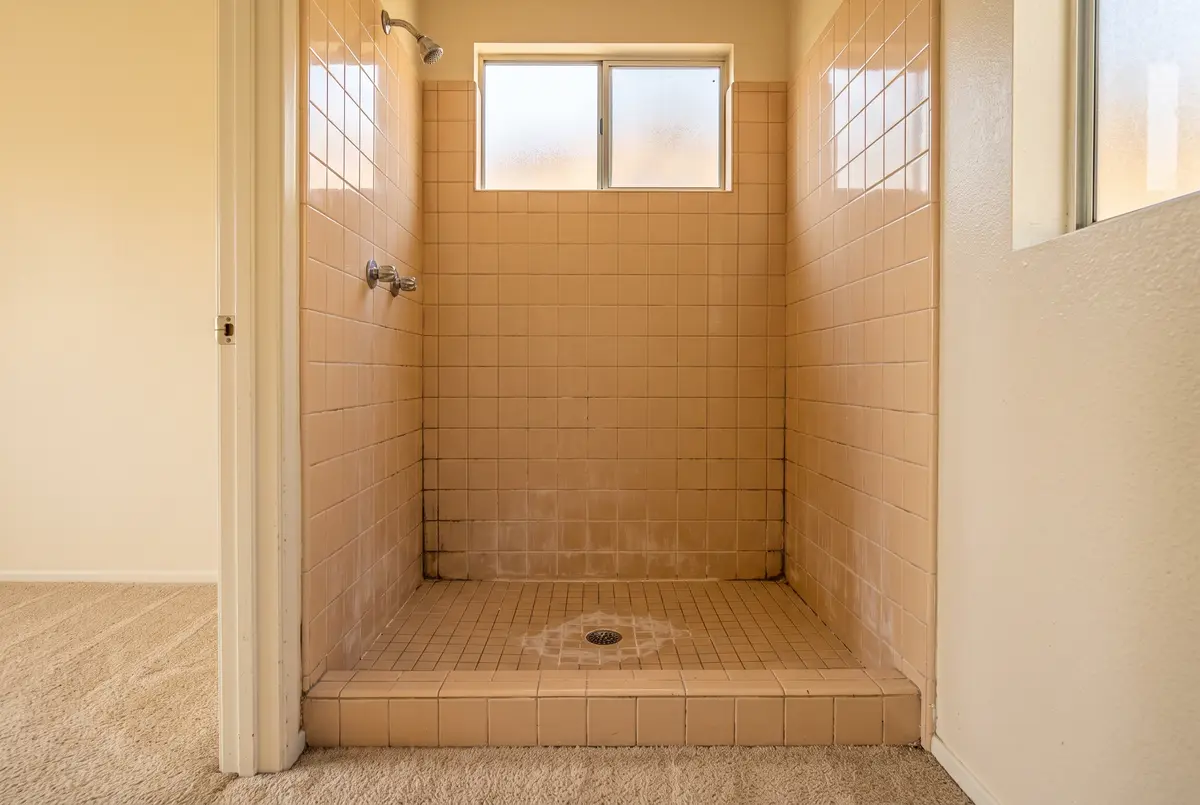
Hard water leaves deposits on tile: a white film of calcium and magnesium minerals left as the water dries, and it combines with soap to form scum that dulls the glaze. Cement grout is porous, so it soaks up minerals and soil and darkens, especially in showers and along kitchen and entry traffic paths. The film builds faster where water stands and dries, which is why the bottom rows of shower tile go first.

What tile and grout cleaning costs
Professional tile and grout cleaning costs $0.50–$3 per square foot on HomeAdvisor, with a $100–$200 minimum, or $300–$500 for a room of 150 to 250 square feet at a flat rate. A 60-square-foot bathroom floor usually hits the minimum; 400 square feet of kitchen, entry and hall comes to $200 to $1,200 by the square foot.
Typical national figures, not quotes. The cleaning company confirms the price before any work.
Sealing and color sealing grout
Sealing grout after cleaning slows how fast minerals and soil soak back in. Fixr puts a standard grout sealant at $0.90–$1.73 per square foot, and cleaning and sealing together at $1.50–$2.50 per square foot. Color sealing tints the grout an even shade as it seals, which hides old staining; HomeAdvisor puts grout recoloring at $1–$2.50 per square foot. Epoxy grout isn’t porous and doesn’t need a sealer.
Natural stone: travertine and marble
Travertine and marble are calcium carbonate stone, so the acidic cleaners that dissolve hard-water film on ceramic tile also etch them, leaving dull spots. Natural stone is cleaned with stone-safe, pH-neutral products and is quoted separately from ceramic and porcelain tile.
Keeping grout clean between cleanings
- Squeegee or towel-dry shower tile after use, so hard water doesn’t dry on it
- Run the bathroom fan during and after showers
- Use a pH-neutral cleaner on grout and any stone
- Reseal on the schedule the sealer’s maker gives
Sources
Prices are typical national figures, not quotes, read October 2026; no Moorpark averages are published. Local facts come from the pages listed.